Italian Digital Identity Ecosystem: SPID and CIE
SPID (Sistema Pubblico di Identità Digitale) and CIE (Carta d'Identità Elettronica) are two key components of the Italian digital identity ecosystem, designed to simplify access to online services for citizens and businesses.
SPID (Sistema Pubblico di Identità Digitale - Public Digital Identity System)
- What it is: SPID is a set of credentials (username, password, and often a second factor like an OTP) that allows citizens and businesses to access online services of the Italian public administration and private entities that have joined the system. It's not a physical card but a digital identity.
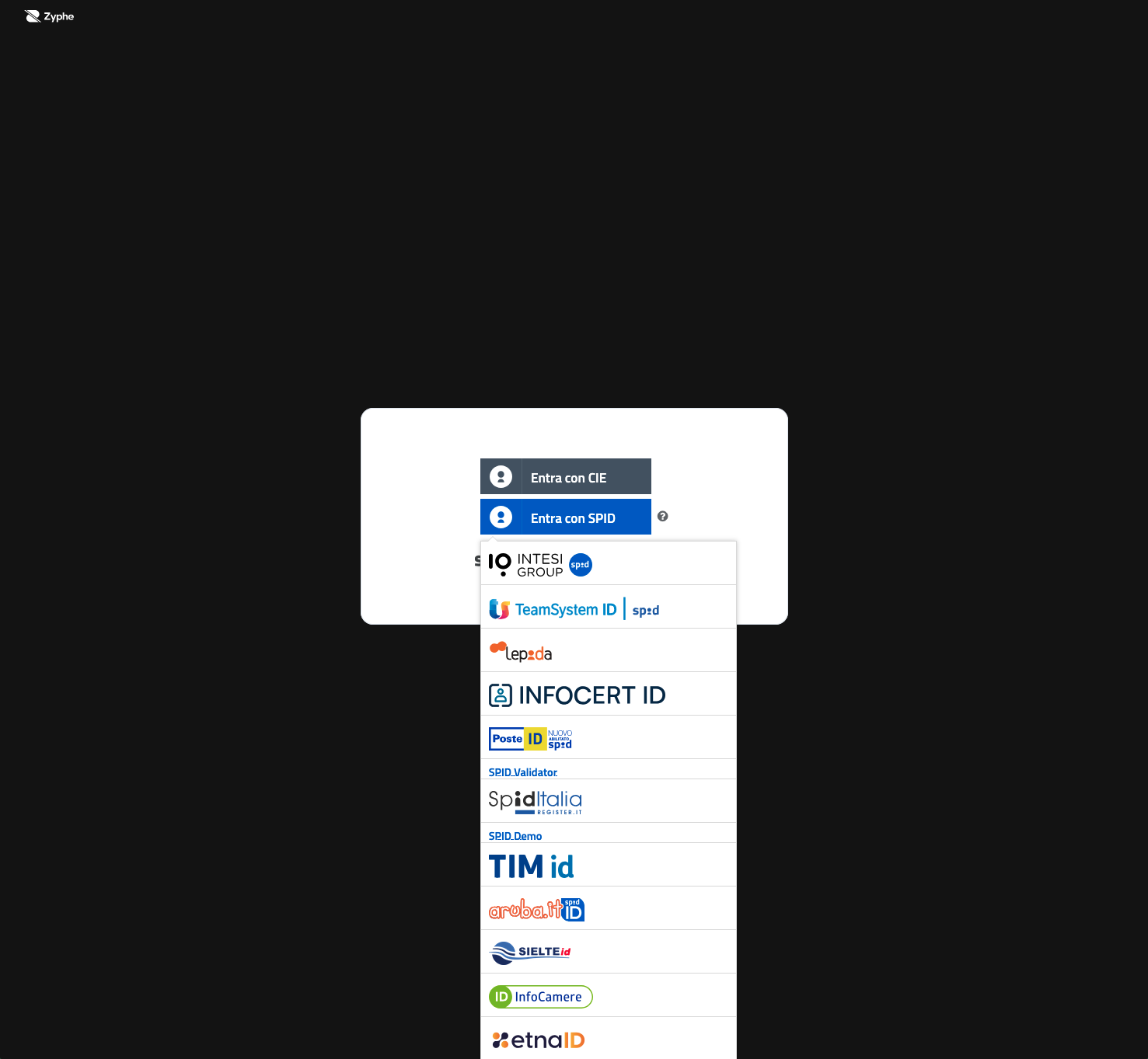
- How it works: Users obtain their SPID identity from accredited "Identity Providers" (e.g., Poste Italiane, Aruba, Infocert). Once registered, they use these credentials to log in to various online services without needing separate accounts for each.
- Purpose: To provide a single, secure, and unified digital identity for accessing a wide range of public and private online services, streamlining bureaucracy and enhancing digital interaction.
CIE (Carta d'Identità Elettronica - Electronic Identity Card)
- What it is: The CIE is the Italian electronic identity card, a physical smart card that serves as a personal identification document. Beyond its physical use for identification, it incorporates a microchip that can be used for digital authentication.
- How it works: The CIE can be used in two main ways for digital services:
- Level 1 (Desktop): By physically inserting the card into an NFC-enabled card reader connected to a computer and entering a PIN.
- Level 2 (Mobile): Using an NFC-enabled smartphone with the "CIE ID" app to read the card and authenticate, often with fingerprint or facial recognition as a second factor.
- Purpose: To serve as a secure physical and digital identification document. It provides a robust authentication method for online services, similar to SPID but based on a physical token (the card).
Key Differences and Relationship:
- Nature: SPID is purely a digital identity (credentials), while CIE is a physical document with digital capabilities.
- Issuance: SPID is issued by private Identity Providers; CIE is issued by the Ministry of Interior through municipalities.
- Authentication: Both offer secure authentication to online services. SPID is generally more widespread for quick access, while CIE offers a higher level of assurance due to its physical token component.
- Interoperability: Both are part of the broader Italian digital identity strategy and can often be used interchangeably to access the same online services. The trend is towards deeper integration, with the CIE becoming a potential "SPID provider" in itself.
In essence, SPID provides a flexible and widely adopted digital login, while the CIE offers a highly secure, hardware-based authentication method, both working together to underpin Italy's digital public services.
Verification process
When a user starts a SPID/CIE verification step on the Zyphe platform is prompted to log in with their SPID or CIE accounts. Once the authentication happens, the user is asked to confirm that he is going to share data with the Zyphe platform. After the confirmation, the platform collect the information from the identity provider and store the underlying information in the User Vault the same way we do for Document Verification.